
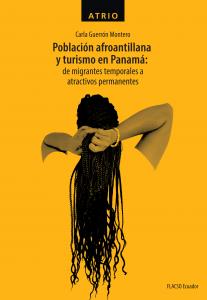
Población afroantillana y turismo en Panamá: de migrantes temporales a atractivos permanentes
Sinopsis
Este libro, al igual que muchos platos de la cocina afroantillana, se ha cocido a fuego lento. Es el fruto de una investigación etnográfica de más de veinticinco años combinada con un trabajo en los archivos. Tiene el sabor peculiar de la historia destilada por los patrones migratorios, por la metáfora del crisol de las razas, tan recurrente al representar la mezcla racial y la integración en América Latina. Los ingredientes fundamentales son los relatos de la gente afroantillana.
Su autora atiza el debate sobre el Estado nación y la identidad nacional con una discusión novedosa: la de la etnicidad como mercancía dentro del régimen turístico globalizado. Con ello, motiva la reflexión sobre la paradoja que encierra el protagonismo de la población afroantillana, tanto en el sector turístico como en la retórica multiculturalista defendida por el Estado panameño, y las pocas mejoras tangibles en sus vidas cotidianas.
Es este un libro cálido, repleto de afectos, de sonoridades y sabores afroantillanos. Una obra que agasaja el patrimonio material e inmaterial de la comunidad afrodescendiente en Panamá. Una receta necesaria para quienes buscan redescubrir otros sentidos de la negritud panameña y latinoamericana.
Carla Guerrón Montero. Quito, 1970. PhD en Antropología Cultural con especialización en Estudios de América Latina por la Universidad de Oregón. Profesora titular del Departamento de Antropología y directora asociada del Centro de Estudios de Cultura Material de la Universidad de Delaware. Sus líneas de investigación y docencia se concentran en las áreas de la cultura material, la antropología del turismo, la antropología de los alimentos, la antropología aplicada y comprometida, y la diáspora africana. Entre sus libros recientes se incluyen From Temporary Migrants to Permanent Attractions: Tourism, Cultural Heritage, and Afro-Antillean Identities in Panama, publicado en 2020 por The University of Alabama Press, y Why the World Needs Anthropologists, coeditado con Dan Podjed, Meta Gorup y Pavel Borecký, y publicado por Routledge en 2021; por este volumen, en ese mismo año, recibió el premio “Excelencia en la Ciencia” de la Slovenian Research Agency. En 2023 publicó “Panama’s Temporary Migrants in the Tourism Era”, en The Intersections of Tourism, Migration, and Exile, editado por Natalia Bloch y Kathleen M. Adams, también con el sello de Routledge.
Forma de citar: Guerrón Montero, Carla. Población afroantillana y turismo en Panamá: de migrantes temporales a atractivos permanentes. 2023. Quito: FLACSO Ecuador. https://doi.org/10.46546/2023-48atrio
Referencias
Fuentes primarias
Documentos del archivo de George W. Westerman, 1886-1988. Schomburg Center for Research in Black Culture, Manuscripts, Archives and Rare Books Division, Sc MG 505.
Fuentes secundarias
Aceto, Michael J. 1996. “Syntactic Innovation in a Caribbean Creole: The Bastimentos Variety of Panamanian Creole English”. English World-Wide 17: 43-61.
Acuerdo Internacional de Cooperación Técnica [International Technical Cooperation Agreement]. 1993. Synthesis Tourism Development Master Plan for Panama, 1993-2002. Panama City: Panamanian Tourism Bureau (IPAT) and Organization of American States (OAS).
Adams, Frederick Upham. 1914. Conquest of the Tropics: The Story of the Creative Enterprises Conducted by the United Fruit Company. Garden City, NY: Doubleday, Page.
Adams, Kathleen. 2006. Art as Politics: Re-Crafting Identities, Tourism, and Power in Tana Toraja, Indonesia. Honolulu: University of Hawai’i Press.
Ahumada, Adolfo. 2009. “Omar Torrijos: las raíces del recuerdo”. Revista Cultural Lotería 484: 24-42.
Alfaro, Olmedo. 1925. El peligro antillano en la América Central: La defensa de la raza. Dedicada a la Federación de Estudiantes Panameños. 2ª. ed. Ciudad de Panamá: Imprenta Nacional.
Amit, Vered. 2009. “A Clash of Vulnerabilities: Citizenship, Labor, and Expatriacy in the Cayman Islands”. American Ethnologist 28 (3): 574-594.
Anderson, Benedict. 2006. Imagined Communities: Reflections on the Origin and Spread of Nationalism. Nueva York: Verso Books.
Anderson, Mark. 2009. Black and Indigenous: Garifuna Activism and Consumer Culture in Honduras. Minneapolis: University of Minnesota Press.
Andrews, George Reid. 1997. “Black Workers in the Export Years: Latin America, 1880-1930”. International Labor and Working Class 51: 7-29.
Andrews, George Reid. 2004. Afro-Latin America, 1800-2000. Nueva York: Oxford University Press.
Anicetti, David. 1998a. “Economy”. Destination Panama Magazine, 55.
Anicetti, David. 1998b. “Ecotourism”. Destination Panama Magazine, 32.
Anicetti, David. 1998c. “Infrastructure”. Destination Panama Magazine, 65-70.
Aparicio, Fernando. 2004. “Desarrollo del Estado Nacional Panameño: Trasfondo Histórico”. Cuadernos Nacionales (Realidad Nacional: Coyuntura Actual, Desarrollo Socio-Político y Democracia en Panamá Hoy) 2: 21-30.
Araúz, Celestino Andrés. 1994. Panamá y sus relaciones internacionales: estudio introductorio. Biblioteca de la Cultura Panameña. Vol. 15. Ciudad de Panamá: Editorial Universitaria.
Araúz, Celestino Andrés. 2004. “Estudio Historiográfico sobre las Interpretaciones en Torno a la Separación de Panamá de Colombia en 1903”. Revista Tareas 117: 63-96.
Araúz, Celestino, y Patricia Pizzurno Gelós. 2002. “Nacionalismo y Radicalismo (1956-1968), Panamá en el Siglo XX: El Problema de la Educación Nacional”. Crítica 8: 4-10.
Araúz, Mateo Florencio. 1926. El problema indígena en Panamá. Ciudad de Panamá: Imprenta Nacional.
Ardila, Julio. (1903) 2003. Josefina. Ciudad de Panamá: Edición Conmemorativa del Centenario de la República.
Arnold, Kathleen R. 2004. Homelessness, Citizenship, and Identity. Albany: State University of Nueva York Press.
Aronczyk, Melissa. 2008. “‘Living the Brand’: Nationality, Globality, and the Identity Strategies of Nation Branding Consultants”. International Journal of Communication 2: 41-65.
Asamblea Nacional de Panamá. 1941. Constitución Política de 1941, 1-46.
Ashworth, Gregory John, y Peter J. Larkham. 1994. “A Heritage for Europe: The Need, the Task, the Contribution”. En Building a New Heritage: Tourism, Culture, and Identity in the New Europe, editado por Gregory John Ashworth and Peter J. Larkham, 1-12. Nueva York: Routledge.
ATP (Autoridad de Turismo de Panamá). 2012. “Aspectos económicos”. Autoridad de Turismo de Panamá, 12 de enero. www.atp.gob.pa/archivos/pdf/aspectos_economicos2001-2011.pdf.
Ayala, Hana. 1998a. “A Bridge to the Millennium: The Ideal and the Promise of Heritage-Driven Economy”. Ciudad de Panamá, Instituto Panameño de Turismo, 2 de diciembre.
Ayala, Hana. 1998b. “Panama’s Ecotourism-Plus Initiative: The Challenge of Making History”. Cornell Hotel and Restaurant Administration Quarterly 39 (5): 68-79.
Babb, Florence. 2011. The Tourism Encounter: Fashioning Latin American Nations and Histories. Stanford, CA: Stanford University Press.
Baldwin, Jeff. 2005. “The Contested Beach: Resistance and Resort Development in Antigua, West Indies”. En Seductions of Place: Geographical Perspectives on Globalization and Touristed Landscapes, editado por Carolyn Cartier y Alan A. Lew, 222-241. Londres: Routledge.
Barletta, Nicolas Ardito. 2009. “Omar Torrijos H. y el Desarrollo Nacional de Panamá”. Revista Cultural Lotería 484: 63-82.
Baron, Maurice, Massie Patterson y Lionel Belasco. 1943. Calypso Songs of the West Indies. Traducido por Maurice Baron. Nueva York: M. Baron Co.
Barretto, Margarita. 2013. “Aesthetics and Tourism”. Pasos: Revista de Turismo y Patrimonio Cultural 11 (3): 79-81.
Barrow, Alberto S. 2012. “African Descendants Define Multiculturalism of Panama”. Insightnews.com. Acceso el 10 de noviembre de 2014.
Bastos, Santiago y Manuela Camus. 2004. “Multiculturalismo y Pueblos Indígenas: Reflexiones a Partir del Caso de Guatemala”. Revista Centroamericana de Ciencias Sociales 1 (1): 87-112.
Baud, Michiel, y Annelou Ypeij. 2009. “Cultural Tourism in Latin America: An Introduction”. En Cultural Tourism in Latin America: The Politics of Space and Imagery, editado por Michiel Baud y Annelou Ypeij, 1-20. Leiden: Brill.
Bell Escobar, Abraham. 1984. Panameñismo: Una Ideología. s. l.: s. e.
Bellini, Luis. 2014. “Inglés, tarea pendiente en Panamá”. La Prensa, 7 de octubre de 2014.
Beluche, Olmedo. 1999. Estado, nación y clases sociales en Panamá: La constitución del estado nacional a través de las contradicciones sociales históricas. Ciudad de Panamá: Portobelo.
Beluche, Olmedo. 2003. “Separación de Panamá: la historia desconocida”. Revista Credencial Historia 165. Acceso el 20 de agosto de 2014. https://www.banrepcultural.org/biblioteca-virtual/credencial-historia/numero-165/separacion-de-panama-la-historia-desconocida
Beluche, Olmedo. 2004. La verdadera historia de la separación de 1903. Ciudad de Panamá: Imprenta ARTICSA.
Bernard, Russell. 2000. Social Research Methods: Qualitative and Quantitative Approaches. Thousand Oaks, CA: Sage Publications.
Bernard, Russell. 2011. Research Methods in Anthropology: Qualitative and Quantitative Approaches. 5.ª ed. Lanham, MD: AltaMira Press.
Black Dispatch. 1947. “Panama to Let Down Tourist Color Ban”. Black Dispatch, 20 de diciembre.
Bloemraad, Irene, Anna Korteweg y Gökçe Yurdakul. 2008. “Citizenship and Immigration: Multiculturalism, Assimilation, and Challenges to the Nation-State”. Annual Review of Sociology 34: 153-79.
Bonamico, Glenda, y José Agustín Espino. 1998. Los mecanismos para la movilización de recursos de las organizaciones de la sociedad civil de Panamá. San José, Costa Rica y Ciudad de Panamá: Technoserve, Centro para la Participación Organizada, Fundación Arias para la Paz y el Progreso Humano.
Bonikowski, Bart. 2016. “Nationalism in Settled Times”. Annual Review of Sociology 42: 427-449.
Bowman, Kirk S. 2013. Peddling Paradise: The Politics of Tourism in Latin America. Boulder, CO: Lynne Rienner Publishers.
Brenes, Carlos. 2003. Segundo Informe sobre Desarrollo Humano en Centroamérica y Panamá: Capítulo Desafío de la Multiculturalidad. Estudio “Acerca de la Multiculturalidad en Costa Rica y Panamá”. s. l.: Cooperación Internacional al Desarrollo/ Programa de las Naciones Unidas para el Desarrollo.
Brennan, Denise. 2004. What’s Love Got to Do with It?: Transnational Desires and Sex Tourism in the Dominican Republic. Durham, NC: Duke University Press.
Briones, Claudia. 2005. “Formaciones de alteridad: contextos globales, procesos nacionales y provinciales”. En Cartografías argentinas: políticas indigenistas y formaciones provinciales de alteridad, editado por Claudia Briones, 11-43. Buenos Aires: Antropofagia.
Brown Araúz, Harry. 2009. Partidos políticos y elecciones en panamá: un enfoque institucionalista. Ciudad de Panamá: Editora Novo Art.
Brubaker, Rogers. 1996. Nationalism Reframed: Nationhood and the National Question in the New Europe. Cambridge: Cambridge University Press.
Bruner, Edward. 1996. “Tourism in the Balinese Borderzone”. En Displacement, Diaspora, and Geographies of Identity, editado por Smadar Lavie y Ted Swedenburg, 157-179. Durham, NC: Duke University Press.
Bruner, Edward. 2005. Culture on Tour: Ethnographies of Travel. Chicago: University of Chicago Press.
Buckman, Robert. 2012. Latin America. 46.ª ed. Lanham, MD. Rowman and Littlefield Publishing Group.
Burns, Peter, y Marina Novelli. 2008. Tourism and Mobilities: Local-Global Connections. Cambridge, MA: CABI.
Byrne, Denis, y Michael Herzfeld. 2011. “Archeological Heritage and Cultural Intimacy: An Interview with Michael Herzfeld”. Journal of Social Archaeology 11 (2): 144-57.
Cabezas, Amalia. 2009. Economies of Desire: Sex and Tourism in Cuba and the Dominican Republic. Filadelfia: Temple University Press.
Camacho Roldán, Salvador. (1897) 1973. Notas de Viaje (Colombia y Estados Unidos de América). archivo de la Economía Nacional, 31. Vol. 1. Bogotá: Talleres Gráficos del Banco de la República.
Camarena Medina, C. 1991. “Un Pasaje a las Islas de Bocas del Toro”. La Prensa Web, 4.
Carles, Rubén Darío. 1952. La Ciudad de Colón y la Costa de Oro. 4.ª ed. Ciudad de Panamá: El Independiente.
Carruthers, Ashley. 2013. “National Multiculturalism, Transnational Identities”. Journal of Intercultural Studies 34 (2): 214-228.
Casado, Matt. 2001. “Overview of Panama’s Tourism in the Aftermath of the Turnover of the Canal Zone”. Journal of Travel Research: 88-93.
Castellanos, M. Bianet. 2010. A Return to Servitude: Maya Migration and the Tourist Trade in Cancún. Minneapolis: University of Minnesota Press.
Castillero Calvo, Alfredo. 1973. “Transitismo y dependencia: el caso del istmo de Panamá”. Nueva Sociedad 5: 35-50.
Castillero Calvo, Alfredo. 2010. Cultura alimentaria y globalización: Panamá, siglos XVI a XXI. Ciudad de Panamá: Imprenta Editora Novo Art.
Castillero Reyes, Ernesto J. 1962. Historia de Panamá. Ciudad de Panamá: Editorial Panamá América.
Castillero Reyes, Ernesto J. 1978. Raíces de la Independencia de Panamá. Ciudad de Panamá: Academia Panameña de Historia.
Cedeño Cenci, Diógenes. 1962. Provincia de Bocas del Toro. Ciudad de Panamá: s. e.
Chambers, Erve. 2009. Native Tours: The Anthropology of Travel and Tourism. 2a. ed. Long Grove, IL: Waveland Press.
Cocks, Catherine. 2007. “The Pleasures of Degeneration: Climate, Race, and the Origins of the Global Tourist South in the Americas”. Discourse 2/3: 215-235.
Cohen, Scott A., Tara Duncan y Maria Thulemark. 2013. “Introducing Lifestyle Mobilities”. En Lifestyle Mobilities: Intersections of Travel, Leisure, and Migration, editado por Scott A. Cohen, Tara Duncan y Maria Thulemark, 1-18. Farnham, UK: Ashgate.
Colleymore, Leo G. 1977. “The West Indian on the Isthmus: Assimilation and Influences”. Star and Herald, June 26.
Collin, Rachel. 2005. “Ecological Monitoring and Biodiversity Surveys at the Smithsonian Tropical Research Institute’s Bocas del Toro Research Station”. Caribbean Journal of Science 41 (3): 367-373.
Colunje, Gil. 1901. “La Virtud Triunfante”. El Cronista.
Comaroff, John L. 1996. “Ethnicity, Nationalism, and the Politics of Difference in an Age of Revolution”. En The Politics of Difference: Ethnic Premises in a World of Power, editado por Edwin Wilmsen y Patrick McAllister, 162-184. Chicago: University of Chicago Press.
Comaroff, John L., y Jean Comaroff. 2009. Ethnicity, Inc. Chicago: University of Chicago Press.
Comercio, El. 2014. “El Canal de Panamá con Visitas Récord”, 28 de octubre, 16.
Conniff, Michael. 1995. “Afro-West Indians on the Central American Isthmus: The Case of Panama”. En Slavery and Beyond: The African Impact on Latin America and the Caribbean, editado por Darien J. Davis, 147-172. Lanham, MD: Scholarly Resources Books, Rowman & Littlefield.
Connor, Hector. 1948. “Facing Issues”. Panama Tribune, 14 de marzo, 8.
Connor, Hector. 1953. “The Nationality Law Again and Again”. Atlantic, 24 de enero.
Costa, Sérgio. 2006. Dois Atlânticos: Teoria Social, Anti-Racismo e Cosmopolitismo. Belo Horizonte: Editora UFMG.
Craft, Renée Alexander. 2015. When the Devil Knocks: The Congo Tradition and the Politics of Blackness in Twentieth-Century Panama. Columbus: Ohio State University Press.
Crespi Vallbona, Montserrat, y Margarita Planells Costa. 2003. Patrimonio Cultural. Madrid: Editorial Síntesis.
Cresswell, Tim. 2001. “The Production of Mobilities”. New Formations 43: 11-25.
Cresswell, Tim. 2006. On the Move: Mobility in the Modern Western World. Londres y Nueva York: Routledge.
Cresswell, Tim. 2013. “Citizenship in Worlds of Mobility”. En Critical Mobilities, editado por Ola Söderström, Didier Ruedin, Shalini Randeria, Gianni D’Amato y Francesco Panese, 105-124. Londres: Routledge.
Crick, Malcolm. 1992. “Life in the Informal Sector: Street Guides in Kandy, Sri Lanka”. En Tourism and the Less Developed Countries, editado por David Harrison, 135-147. Londres: Bellhaven Press.
Crouch, David. 2000. “Tourism Representations and Non-Representative Geographies: Making Relations between Tourism and Heritage”. En Tourism and Heritage Relationships: Global, National, and Local Perspectives; Reflections on International Tourism, editado por Mike Robinson, Nigel Evans, Philip Long, Richard Sharpley y John Swarbrooke, 93-104. Gateshead, UK: Athenaeum Press.
Cunningham Bissell, William. 2005. “Engaging Colonial Nostalgia”. Cultural Anthropology 20 (2): 215-248.
De la Rosa, Manuel. 1993. “El Negro en Panamá”. En Presencia africana en Centroamérica, editado por Luz María Martínez-Montiel, 217-292. Ciudad de México: Consejo Nacional para la Cultura y las Artes.
De Peralta, Manuel M. 1890. Límites de Costa-Rica y Colombia: Nuevos documentos para la historia de su jurisdicción territorial con notas, comentarios y un examen de la cartografía de Costa Rica y Veragua. Madrid: Manuel Ginés Hernández.
De Sousa, Leone Campos, and Paulo Nascimento. 2008. “Brazilian National Identity at a Crossroads: The Myth of Racial Democracy and the Development of Black Identity”. International Journal of Politics, Culture, and Society 3/4: 129-143.
Díaz Polanco, Héctor. 2006. El Laberinto de la identidad. Ciudad de México: Universidad Nacional Autónoma de México.
Diez Castillo, Luis A. 1981. Los cimarrones y los negros antillanos en Panamá. Ciudad de México: Impresora R. Mercado Rudas.
Dinnie, Keith, ed. 2012. Nation Branding: Concepts, Issues, Practice. Oxford: Butterworth-Heinemann.
Dirección Nacional de Currículo y Tecnología Educativa. 2014. Educación Básica General-Historia: 7º, 8º y 9º. Ciudad de Panamá: Ministerio de Educación.
Dirección Nacional de Estadística y Censos. 2010. “Censos Nacionales 2010: XI de Población y VII de Vivienda”. Censos Nacionales 2010. Dirección Nacional de Estadística y Censos. Acceso el 15 de septiembre de 2014. http://estadisticas.contraloria.gob.pa/Resultados2010/default.aspx.
Domínguez Caballero, Diego. 2004. Razón y sentido de lo panameño: Ensayo. Ciudad de Panamá: Impresora Editorial Universitaria “Carlos Manuel Gasteazoro”.
Drolet, Patricia Lund. 1980. El ritual congo del noroeste de Panamá: Una estructura afroamericana expresiva de adaptación cultural. Ciudad de Panamá: Instituto Nacional de Cultura.
Dudley, Shannon. 2008. Music from Behind the Bridge: Steelband Spirit and Politics in Trinidad and Tobago. Nueva York: Oxford University Press.
Duncan, Quince. 2001. Contra el silencio: Afrodescendientes y racismo en el Caribe Continental. San José, Costa Rica: Editorial Universidad Estatal a Distancia.
Dürr, Eveline, y Rebecca Jaffe. 2012. “Theorizing Slum Tourism: Performing, Negotiating, and Transforming Inequality”. European Review of Latin American and Caribbean Studies 93: 113-123.
Economist, The. 2011. “A Singapore for Central America?”, 14 de julio. Section “The Americas”. https://www.economist.com/the-americas/2011/07/14/a-singapore-for-central-america
Endara, Mirei. 1998. “Taking Conservation of Panama’s Natural Resources into the Twenty-First Century”. Cornell Hotel and Restaurant Administration Quarterly 73.
Espino, Ariel N. 2008. “Heritage Preservation, Tourism, and Inclusive Development in the Casco Antiguo”. Land Lines Magazine. Lincoln Institute of Land Policy.
Everett, Sally. 2009. “Beyond the Tourist Gaze?: The Pursuit of an Embodied Experience through Food Tourism”. Tourist Studies 8: 337-158.
Faber, Sebastiaan. 2005. “‘La hora ha llegado’: Hispanism, Pan-Americanism, and the Hope of Spanish/American Glory (1938-1948)”. En Ideologies of Hispanism, editado por Mabel Moraña, 62-106. Nashville: Vanderbilt University Press.
Fábrega, Ramón. 1986. Legislación sobre Turismo y Migración. Ciudad de Panamá.
Fields, Gary. 1984. “Employment, Income Distribution, and Economic Growth in Seven Small Open Economies”. Economic Journal 94: 74-83.
Figueroa Navarro, Alfredo. 1982. Dominio y sociedad en el Panamá colombiano (1821-1903). Ciudad de Panamá: Editorial Universitaria de Panamá.
Figueroa Navarro, Alfredo. 1991. “Impresiones iniciales de un Relator (A propósito de la primera parte del simposio ‘Visión de la Nacionalidad Panameña’)”. Simposio Visión de la Nacionalidad Panameña, 8 de agosto, 21-23.
Fish, Stanley. 1997. “Boutique Multiculturalism, or Why Liberals Are Incapable of Thinking about Hate Speech”. Critical Inquiry 23 (2): 378-395.
Flores, Juan. 2009. The Diaspora Strikes Back: Caribeño Tales of Learning and Turning. Nueva York: Routledge.
Focus Panama. 1997. “Restaurants in Panama City”. Focus Panama: Hinterland Hostelries 24: 59-75.
Frohlick, Susan, ed. 2008. “‘I’m More Sexy Here’: Erotic Subjectivities of Female Tourists in the ‘Sexual Paradise’ of the Costa Rican Caribbean”. En Gendered Mobilities, editado por Tanu Priya Ueng y Tim Cresswell, 129-143. Farnham, UK: Ashgate.
Future Brand. 2013. “Country Brand Index Latin America 2012-2013”. FutureBrand. Acceso el 20 de enero de 2014. https://mouriz.files.wordpress.com/2013/02/cbi-futurebrand-2012-13.pdf
Gammon, Sean. 2007. “Introduction: Sport, Heritage, and the English; An Opportunity Missed?”. En Heritage, Sport, and Tourism: Sporting Pasts – Tourist Futures, editado por Sean Gammon y Gregory Ramshay, 1-8. Nueva York: Routledge.
Gandásegui, Marco. 1993. Las clases sociales en Panamá: Grupos humanos, clases medias, élites y oligarquía. Ciudad de Panamá: CELA.
Gandásegui, Marco. 2000. “Clases sociales y proyecto nacional en Panamá”. En Estado, clases sociales y proyecto nacional en Panamá: procesos y tendencias ante el siglo XXI, editado por E. Adames Mayorga, 3-18. Panamá: Universidad de Panamá e Instituto de Estudios Nacionales.
Garay, Narciso. (1930) 1999. Tradiciones y cantares de Panamá (Ensayos folklóricos). 2.a ed. Ciudad de Panamá: Autoridad del Canal de Panamá / Biblioteca de la Nacionalidad.
García Aponte, Isaías. 1999. Naturaleza y forma de lo panameño. Colección Biblioteca de la Nacionalidad. Ciudad de Panamá: Autoridad del Canal.
García García, José Luis. 1998. “De la Cultura como patrimonio al Patrimonio Cultural”. Política y Sociedad 27: 9-20.
Garrido Pérez, Edgardo I. 2014. “La música bailable del Caribe: Una forma de acercamiento entre el campo y la ciudad. Perspectivas rurales 12 (14): 117-131.
Gaskin, Edward A. 1984. Blacks Played Significant Role in Improving Life on the Isthmus of Panama. Ciudad de Panamá: Gebsa de Panamá.
Geismar, Haidy. 2015. “Anthropology and Heritage Regimes”. Annual Review of Anthropology 44: 71-85.
Gilroy, Paul. 1993. The Black Atlantic: Modernity and Double Consciousness. Cambridge, MA: Harvard University Press.
Goett, Jennifer. 2016. Black Autonomy: Race, Gender, and Afro-Nicaraguan Activism. Stanford, CA: Stanford University Press.
González González, Luis. 2006. “Sin control se venden islas panameñas”. Jueves 25 de mayo. Salvemos las islas y costas de Panamá. Ciudad de Panamá: https://salvemoslascostasdepanama.blogspot.com/search?q=Sin+control+se+venden+islas+panameñas
Gotham, Kevin Fox. 2005. “Tourism Gentrification: The Case of New Orleans’ Vieux Carre (French Quarter)”. Urban Studies 42 (7): 1099-1121.
Graburn, Nelson H. H. 1989. “Tourism: The Sacred Journey”. En Hosts and Guests: The Anthropology of Tourism, editado por Valene L. Smith, 2.ª ed., 21-36. Filadelfia: University of Pennsylvania Press.
Graham, Richard, ed. 1990. The Idea of Race in Latin America, 1870-1940. Austin: University of Texas Press.
Greene, Julie. 2009. The Canal Builders: Making America’s Empire at the Panama Canal. Nueva York: Penguin Books.
Guerrón Montero, Carla. 2004. “Afro-Antillean Cuisine and Global Tourism”. Food, Culture, and Society 7 (2): 29-47.
Guerrón Montero, Carla. 2005. “Marine Protected Areas in Panama: Grassroots Activism and Advocacy”. Human Organization 64 (4): 360-372.
Guerrón Montero, Carla. 2006a. “‘Can’t Beat Me Own Drum in Me Own Native Land’: Calypso Music and Tourism in the Panamanian Atlantic Coast”. Anthropological Quarterly 79 (4): 633-663.
Guerrón Montero, Carla. 2006b. “Racial Democracy and Nationalism in Panama”. Ethnology 45 (3): 209-228.
Guerrón Montero, Carla. 2006c. “Tourism and Afro-Antillean Identity in Panama”. Journal of Tourism and Cultural Change 4 (2): 65-84.
Guerrón Montero, Carla. 2009. “The ‘Three Roots’ of Panama’s Cultural Heritage: The Construction of Racial and National Identities in Simulated Tourism”. En Cultural Tourism in Latin America: The Politics of Space and Imagery, editado por Michiel Baud y Annelou Ypeij, 45-68. Leiden: Brill.
Guerrón Montero, Carla. 2010. “Turtle Islands: Endangered Species as Tourism Attractions in Latin America”. En Heritage 2010: Heritage and Sustainable Development, editado por Rogério Amoêda, Sérgio Lira y Cristina Pinheiro, vol. 2., 1325-1330. Proceedings of the Second International Conference on Heritage and Sustainable Development. (Évora, Portugal). Barcelos, Portugal: Green Lines Institute for Sustainable Development.
Guerrón Montero, Carla. 2011. “On Tourism and the Constructions of ‘Paradise Islands’ in Central America and the Caribbean”. Bulletin of Latin American Research 30 (1): 21-34.
Guerrón Montero, Carla. 2012. “All in One Pot: The Place of Rice and Beans in Panama’s Regional and National Cuisine”. En Rice and Beans: A Unique Dish in a Hundred Places, editado por Livia Barbosa y Richard Wilk, 161-180. Londres: Berg.
Guerrón Montero, Carla. 2014a. “Afro-Antillean Presence in the Latin American Melting Pot”. En The African Americas: The African Diaspora in the Cultures of Latin America, the Caribbean, and the United States, editado por Persephone Braham, 29-45. Newark: University of Delaware Press.
Guerrón Montero, Carla. 2014b. “Multicultural Tourism, De-Militarization, and the Process of Peace-Building in Panama”. Journal of Latin American and Caribbean Anthropology 19 (3): 418-440.
Guerrón Montero, Carla. 2015a. “Building ‘The Way’: Creating a Successful Tourism Brand for Panama and Its Consequences”. En Tourism in Latin America: Cases of Success, editado por Alexandre Panosso Netto y Luiz Gonzaga Godoi Trigo, 191-205. Nueva York: Springer.
Guerrón Montero, Carla. 2015b. “Tourism, Cuisine, and the Consumption of Culture in the Antilles”. En Routledge History of Food, editado por Carol Helstosky, 291-312. Londres: Routledge.
Guerrón Montero, Carla. 2018. “A Critical Look at the State of Tourism Studies in Anthropology in Latin America and the Caribbean”. Tourism Analysis 23 (2): 249-259.
Guevara, Natalia. 2007. “San Andrés Isla, memorias de la colombianización y reparaciones”. En Afro-Reparaciones: Memorias de la Esclavitud y Justicia Reparativa para Negros, Afrocolombianos y Raizales, editado por Claudia Mosquera Rosero-Labbé y Luiz Claudio Barcelos, 295-319. Bogotá: Universidad Nacional de Colombia.
Guillén, Andrés. 1975. La nacionalidad panameña durante el siglo XIX: Un enfoque personal. Hong Kong: Editorial Anleguin.
Guillén, Denise. 2000. “Turismo y Medio Ambiente”. La Prensa, 2.
Hale, Charles R. 2002. “Does Multiculturalism Menace? Governance, Cultural Rights, and the Politics of Identity in Guatemala”. Journal of Latin American Studies 34 (5): 485-524.
Hale, Charles R. 2005. “Neoliberal Multiculturalism: The Remaking of Cultural Rights and Racial Dominance in Central America”. Political and Legal Anthropology Review 28 (1): 10-28.
Hall, C. Michael, Liz Sharples, Richard Mitchell, Niki Macionis, and Brock Cambourne, eds. 2003. Food Tourism around the World: Development, Management, and Markets. Oxford: Butterworth-Heinemann.
Hall, Stuart. 1990. “Cultural Identity and Diaspora”. En Identity, Community, Culture, Difference, editado por Jonathan Rutherford, 222-237. Londres: Lawrence and Wishart.
Hall, Stuart. 1996. “What Is This ‘Black’ in Black Popular Culture?”. En Stuart Hall: Critical Dialogues in Cultural Studies, editado por David Morley y Kuan Hsing Chen, 465-475. Nueva York: Routledge.
Hannam, Kimberly, Mimi Sheller,y John Urry. 2006. “Editorial: Mobilities, Immobilities, and Moorings”. Mobilities 1 (1): 1-22.
Harris, Clive. 2001. “Beyond Multiculturalism? Difference, Recognition, and Social Justice”. Patterns of Prejudice 35 (1): 13-34.
Heckadon Moreno, Stanley. 1980. “Nota al Lector”. En Memorias de un criollo bocatoreño, editado por Charles Reid, 7-14. Ciudad de Panamá: Litho-Impresora Panamá.
Heckadon Moreno, Stanley. 1993. “Sumario Ejecutivo”. En Agenda ecológica y social para Bocas del Toro, editada por Stanley Heckadon Moreno, 5-26. Ciudad de Panamá: Impresora Continental.
Heckadon Moreno, Stanley. 1994. Panamá en sus usos y costumbres. Biblioteca de la Cultura Panameña. Ciudad de Panamá: Editorial Universitaria.
Hegenbarth de Testa, Norma. 2000. Instructivo sobre uso y confección del vestido típico panameño y sus complementos. Ciudad de Panamá: Editorial Mariano Arosemena (INAC).
Hellier-Tinoco, Ruth. 2011. Embodying Mexico: Tourism, Nationalism, and Performance. Oxford: Oxford University Press.
Herlihy, Peter. 1989. “Panama’s Quiet Revolution: Comarca Homelands and Indian Rights”. Cultural Survival Quarterly 13 (3): 17-24.
Hintzen, Percy C. 2001. West Indian in the West: Self Representations in a Migrant Community. Nueva York: New York University Press.
Hintzen, Percy C., y Jean Rahier. 2010. “Introduction: Theorizing the African Diaspora; Metaphor, Miscognition, and Self-Recognition”. En Global Circuits of Blackness: Interrogating the African Diaspora, editado por Jean Rahier, Percy C. Hintzen y Felipe Smith, ix-xxvi. Urbana: University of Illinois Press.
Hobsbawn, Eric, y Terence Ranger, eds. 1983. The Invention of Tradition. Cambridge: Cambridge University Press.
Hollinshead, Keith, Irena Ateljevic y Nazia Ali. 2009. “Worldmaking Agency-Worldmaking Authority: The Sovereign Constitutive Role of Tourism”. Tourism Geographies 11 (4): 427-443.
Horton, Lynn. 2006. “Contesting State Multiculturalisms: Indigenous Land Struggles in Eastern Panama”. Journal of Latin American Studies 38 (4): 829-858.
Howarth, David. 1966. Panama: Four Hundred Years of Dreams and Cruelty. Nueva York: McGraw-Hill.
Howe, James. 1998. A People Who Would not Kneel: Panama, the United States, and the San Blas Kuna. Washington, DC: Smithsonian Institution Press.
Howe, James. 2009. Chiefs, Scribes, and Ethnographers: Kuna Culture from Inside and Out. Austin: University of Texas Press.
Human Rights Everywhere (HREV). 2012. Informe preliminar sobre violación de derechos humanos en la ciudad de Colón, Panamá. Ciudad de Panamá.
INAC (Instituto Nacional de Cultura). 1990. Reviviendo la música panameña de los 60: Homenaje a Los Soul Fantastics. Ciudad de Panamá: Instituto Nacional de Cultura.
IPAT (Instituto Panameño de Turismo). 2003. Análisis estadístico sobre el movimiento turístico, período enero a diciembre 2002-2003. Informe de la Dirección de planificación y desarrollo turístico, IPAT. Ciudad de Panamá.
IPAT (Instituto Panameño de Turismo). 2008a. Análisis diagnóstico general del turismo en Panamá: Plan Maestro de turismo sostenible de Panamá 2007-2020. Ciudad de Panamá: IPAT / Leisure Europraxis Consulting.
IPAT (Instituto Panameño de Turismo). 2008b. Executive Synthesis Panama Sustainable Tourism Master Plan, 2007-2020. Ciudad de Panamá: IPAT / Leisure Europraxis Consulting.
IICA (Inter-American Institute for Cooperation on Agriculture). 2010. The Outlook for Agriculture and Rural Development in the Americas: A Perspective on Latin America and the Caribbean. Santiago de Chile: FAO.
Jaén Suárez, Omar. 1991. “El siglo XVIII en Panamá y las permanencias estructurales (visión de la nacionalidad panameña)”. La Prensa, 6 de agosto.
Jaén Suárez, Omar. 1998. La población del Istmo de Panamá: Estudio de geohistoria. Ediciones de Cultura Hispánica, Sociología y Política. Madrid: Agencia Española de Cooperación Internacional.
Jiménez Román, Miriam, y Juan Flores, eds. 2010. The Afro-Latin@ Reader: History and Culture in the United States. Durham, NC: Duke University Press.
Jordán, Osvaldo. 2010. “Entré durante el día y salí por la noche: Relaciones de poder, ambiente y pueblos indígenas en un Panamá globalizado”. En La autonomía a debate: Autogobierno indígena y estado plurinacional en América Latina, editado por Miguel González, Araceli Burguete Cal y Mayor y Pablo Ortiz T., 509-560. Quito: FLACSO.
Jordán, Osvaldo. 2015. “El mito de la paz comercial y el aumento de la criminalidad en Panamá en los albores del siglo XXI”. Ensayo.
Kannisto, Päivi. 2015. Global Nomads and Extreme Mobilities. Farnham, UK: Ashgate.
Kannisto, Päivi. 2016. “Extreme Mobilities: Challenging the Concept of ‘Travel’”. Annals of Tourism Research 57: 220-233.
Kim, Nora Hui-Jung. 2012. “Multiculturalism and the Politics of Belonging: The Puzzle of Multiculturalism in South Korea”. Citizenship Studies 16 (1): 103-117.
Kip, Leonard. 1870. “Potts, the Troubadour”. Overland Monthly 5 (2): 162-175.
Kipp, Rita Smith. 1993. Dissociated Identities: Ethnicity, Religion, and Class in an Indonesian Society. Ann Arbor: University of Michigan Press.
Klytchnikova, Irina I., y Paul A. Dorosh. 2009. “How Tourism Can (and Does) Benefit the Poor and the Environment - A Case Study from Panama”. En Breve 146: 1-4.
Krueger, Richard A. 1994. Focus Groups: A Practical Guide for Applied Research. 2.ª ed. Newbury Park, CA: Sage.
Kymlicka, Will. 2007. Multicultural Odysseys. Oxford: Oxford University Press.
Lankford, Samuel V., Oksana Grybovych y Jill K. Lankford. 2008. “Context for Peace and Community Tourism: A Worldview Framework”. World Leisure: 199-208.
Lasso-von Lang, Nilsa, y Jiwanda Gale Rogers. 2012. Flavors of Panama. Baltimore: PublishAmerica.
Lew, Alan, y Bob McKercher. 2006. “Modeling Tourist Movements: A Local Destination Analysis”. Annals of Tourism Research 33 (2): 403-423.
Lewis, Egbert. 2017. “‘Panamá no es sólo un país, es cuatro países’: Entrevista con Pedro Rivera”. Panamá América, 25 de octubre. https://www.panamaamerica.com.pa/dia-d/panama-no-es-solo-un-pais-es-cuatro-paises-831379.
Lewis, Lancelot. 1980. The West Indian in Panama: Black Labor in Panama, 1850-1914. Washington, DC: University Press of America.
Little, Walter. 2004. Mayas in the Marketplace: Tourism, Globalization, and Cultural Identity. Austin: University of Texas Press.
Long, Lucy M. 2004. “Culinary Tourism: A Folkloristic Perspective on Eating and Otherness”. En Culinary Tourism, editado por Lucy Long, 1-50. Lexington: University Press of Kentucky.
Long, Lucy M. 2013. “Food in Tourism Studies”. En Routledge International Handbook of Food Studies, editado por Ken Albala, 342-351. Nueva York: Routledge.
Lowe, Roberto E. 1975. “An Historical Explanation of the Status of Blacks in Brazil, Panama, Haiti, and the West Indies”. Tesis de maestría, University of Wisconsin.
Lowe de Goodin, Melva. 2012. Afrodescendientes en el Istmo de Panamá, 1501-2012. Ciudad de Panamá: Sociedad de Amigos del Museo de Panamá.
MacCannell, Dean. 1973. “Staged Authenticity: Arrangements of Social Space in Tourist Settings”. American Journal of Sociology 79 (3): 589-603.
MacCannell, Dean. 1992. Empty Meeting Grounds: The Tourist Papers. Londres: Routledge.
MacCannell, Dean. 1999. The Tourist: A New Theory of the Leisure Class. 2.ª ed. Berkeley: University of California Press.
Malgrat, Carlos. 1969. “Contribución al estudio de la personalidad básica del panameño”. Revista La Antigua, Universidad Santa María 3: 385-407.
Maloney, Gerardo. 2008. Street Smart. Traducido por Ian Isidore Smart. 2.ª ed. Washington, DC: Original World Press.
Maloney, Gerardo. 2010. “Sectores en Movimiento Negro en Panamá”. Procesos Sociales: Revista de Ciencias Sociales 2: 52-98.
Maloney, Gerardo, ed. 1981. Memorias del Primer Congreso del Negro Panameño. Ciudad de Panamá: Impresora de la Nación.
Manuel, Peter. 1995. Caribbean Currents: Caribbean Music from Rumba to Reggae. Filadelfia: Temple University Press.
Marks, Diana. 2016. Molas: Dress, Identity, and Culture. Albuquerque: University of New Mexico Press.
Marrero Lobinot, Francisco. 1984. Nuestros ancestros de las Antillas Francesas: Interpretaciones históricas y sociológicas de una minoría étnica nacional. Ciudad de Panamá: s. e.
Marshall, Wayne. 2009. “Placing Panama in the Reggaeton Narrative: Editor’s Notes”. En Reggaeton, editado por Raquel Z. Rivera, Wayne Marshall y Deborah Pacini Hernández, 79-80. Durham, NC: Duke University Press.
Martín-Barbero, Jesús. 1994. “Identidad, comunicación y modernidad en América Latina”. En Posmodernidad en la periferia: Enfoques latinoamericanos de la nueva teoría cultural, editado por Hermann Herlinghaus y Monika Walter, 83-110. Berlín: Langer Verlag.
Martín-Barbero, Jesús. 2002. “La globalización en clave cultural: Una mirada latinoamericana”. Montreal, 2002 Bouges Globalisme e Pluralism, abril 22-27.
McCain, Gary, y Nina M. Ray. 2003. “Legacy Tourism: The Search for Personal Meaning in Heritage Travel”. Tourism Management 35: 713-717.
McGuinness, Aims. 2008. Path of Empire: Panama and the California Gold Rush. Ithaca, NY: Cornell University Press.
McIntyre, Norman. 2013. “Mobilities, Lifestyles, and Imagined Worlds: Exploring the Terrain of Lifestyle Migration”. En Lifestyle Mobilities: Intersections of Travel, Leisure, and Migration, editado por Scott A. Cohen, Tara Duncan, y Maria Thulemark, 193-207. Farnham, UK: Ashgate.
McLuhan, Marshall. 1962. The Gutenberg Galaxy: The Making of Typographic Man. Toronto: University of Toronto Press.
McNeil, D. M. 1982. “Traducción de la correspondencia epistolar de los emigrantes antillanos en el Istmo de Panamá”. Tesis de licenciatura, Universidad de Panamá.
McWatters, Mason R. 2009. Residential Tourism: (De)Constructing Paradise. Bristol: Multilingual Matters/Channel View Publications.
Melamed, Jodi. 2006. “The Spirit of Neoliberalism: From Racial Liberalism to Neoliberal Multiculturalism”. Social Text 24 (4): 1-24.
Méndez Pereira, Octavio. 1946. Panamá, País y Nación de Tránsito. Vol. 2. Ciudad de Panamá: Biblioteca Selecta.
Menton, Seymour. 2001. “La búsqueda de la identidad nacional en el cuento panameño”. Revista Iberoamericana 196: 399-408.
Merrill, Dennis. 2009. Negotiating Paradise: U.S. Tourism and Empire in Twentieth-Century Latin America. Chapel Hill: University of North Carolina Press.
Metzl, Jamie Frederic. 1999. “Popular Diplomacy”. Daedalus 128: 177-192.
Milazzo, Marzia. 2013. “White Supremacy, White Knowledge, and Anti-West Indian Discourse in Panama: Olmedo Alfaro’s ‘El Peligro Antillano en la América Central’”. Global South 6 (2): 65-86.
Ministerio de Educación de Panamá. 2017. “Mes de la Etnia Negra: juntos conmemorando el Mes de la Etnia Negra”. Educa Panamá: Mi Portal Educativo. Ministerio de Educación de Panamá. Acceso el 24 de enero de 2017. http://educapanama.edu.pa/?q=articulos-educativos/mes-de-la-etnia-negra
Mintz, Sidney W., y Sally Price. 1985. “Introduction”. En Caribbean Contours, editado por Sidney W. Mintz y Sally Price, 3-13. Baltimore: Johns Hopkins University Press.
Miró, Ricardo. (1913) 2002. Las noches de Babel. Ciudad de Panamá: Asamblea Nacional, Edición Conmemorativa del Centenario.
Miró, Rodrigo. 1948. Orígenes de la literatura novelesca en Panamá. Ciudad de Panamá: Departamento de Cultura y Publicaciones del Ministerio de Educación.
Mitchell, Katharyne. 1993. “Multiculturalism, or The United Colors of Capitalism?”. Antipode 25 (4): 263-294.
Mitchell, Timothy. 2001. “Making the Nation: The Politics of Heritage in Egypt”. En Consuming Tradition, Manufacturing Heritage: Global Norms and Urban Forms in the Age of Tourism, editado por Nezar AlSayyad, 212-39. Londres: Routledge.
Model, Suzanne. 1995. “West Indian Prosperity: Fact or Fiction?”. Social Problems 42 (4): 535-553.
Moncada Vargas, Marta Lucía. 1990. “National Identity in Panama between 1948 and 1958”. Tesis de maestría, University of Texas.
Mondéjar Jiménez, Juan Antonio, y Miguel Angel Gómez Borja, eds. 2009. Turismo cultural en ciudades patrimonio de la humanidad. Cuenca, España: Ediciones de la Universidad de Castilla La Mancha.
Morgan, David L., y Richard A. Krueger. 1998. The Focus Group Kit. 6 vols. Thousand Oaks, CA: Sage Publications.
Mr. Gavitt: Calypso of Costa Rica. 1982. Directed by Mr. Gavitt. Nueva York: Folkways Records.
Murrell, Nathaniel Samuel. 2010. Afro-Caribbean Religions: An Introduction to Their Historical, Cultural, and Sacred Traditions. Filadelfia: Temple University Press.
New York Times. 2012. “The 45 Places to Go in 2012”. New York Times, January 6.
Newton, Velma. 1977. Aspects of British West Indian Emigration to the Isthmus of Panama, 1850-1914. Mona, Jamaica: University of the West Indies.
Nwankwo, Ifeoma Kiddoe. 2014. Black Cosmopolitanism, Racial Consciousness, and Transnational Identity in the Nineteenth-Century Americas. Filadelfia: University of Pennsylvania Press.
Nye, Joseph. 2004. Soft Power: The Means to Success in World Politics. Nueva York: Perseus Books.
Ōhmae, Kenichi. 1995. The End of the Nation State: The Rise of Regional Economies. Nueva York: Free Press.
Orbasli, Aylin, y Steve Shaw. 2004. “Transport and Visitors in Historic Cities”. En Tourism and Transport: Issues and Agenda for the New Millennium, editado por Les M. Lumsdon y Stephen J. Page, 93-104. Nueva York: Routledge.
OEA (Organización de los Estados Americanos). 1998. Diagnóstico e inventario del potencial turístico de la Zona 2: Bastimentos. Ciudad de Panamá: Organización de Estados Americanos / Instituto Panameño de Turismo.
ONU (Organización de las Naciones Unidas). 2023. “Estadísticas de Panamá”. Acceso el 11 de mayo de 2023. https://data.un.org/en/iso/pa.html
Ortiz, Renato. 1994a. “Advento da Modernidade?”. En Posmodernidad en la periferia: Enfoques latinoamericanos de la nueva teoría cultural, editado por Hermann Herlinghaus y Monika Walter, 185-196. Berlín: Langer Verlag.
Ortiz, Renato. 1994b. Mundialização e Cultura. São Paulo: Brasiliense.
Ortiz, Renato. 2006. Cultura Brasileira e Identidade Nacional. 5.ª ed. São Paulo: Brasiliense.
Osorio, Katti. 2013. “El edificio del Museo Afroantillano de Panamá: Importante legado cultural e histórico construido en madera”. Revista Canto Rodado 7: 133-153.
Otero, Gerardo. 2004. “Global Economy, Local Politics: Indigenous Struggles, Citizenship, and Democracy”. Canadian Journal of Political Science 37 (2): 325-346.
Otero, Gerardo, y Heidi Jugenitz. 2003. “Challenging National Borders from Within: The Political-Class Formation of Indigenous Peasants in Latin America”. Canadian Review of Sociology and Anthropology 40 (5): 503-524.
Padilla, Mark. 2007. Caribbean Pleasure Industry: Tourism, Sexuality, and AIDS in the Dominican Republic. Chicago: University of Chicago Press.
Panama Government Investment Development Center. s. f. Panama: Tourism Facilities Investment Guide. Panama Government Investment Development Center, Industrial Development and Productivity Center.
Panama Medical Tourism. 2014. “Welcome to Panama Medical Vacations”, modificado el 31de enero de 2014.
Panama Tribune. 1947. “Proverbial Loyalty”. Panama Tribune, 2 de marzo, 16-18.
Panama Tribune. 1948a. “British Subjects Free to Vote in Panama Municipal Elections”. Panama Tribune, 21 de marzo, 2.
Panama Tribune. 1948b. “Race Bias in Panama”. Panama Tribune, 26 de septiembre, 8.
Panama Tribune. 1948c. “West Indians, Criollos, or Panamanians?”. Panama Tribune, 21 de marzo, 13.
Paschel, Tianna. 2016. Becoming Black Political Subjects: Movements and Ethno-Racial Rights in Colombia and Brazil. Princeton, NJ: Princeton University Press.
Paz, Sadith Ester. 1977. “The Status of West Indian Immigrants in Panama from 1850-1941”. Tesis de maestría, University of Massachusetts.
Peacock, Alan, e Ilde Rizzo. 2008. The Heritage Game: Economics, Policy, and Practice. Nueva York: Oxford University Press.
Peddicord, Kathleen. 2014. “The World’s 8 Best Places to Retire in 2014”. Money Retirement.
Pereira Jiménez, Bonifacio. 1963. Historia de Panamá. 2.ª ed. Ciudad de Panamá: Agencia Internacional de Publicaciones.
Pérez Balladares, Cecilia. 1998. “Turismo Patrimonial”. Ciudad de Panamá: Instituto Panameño de Turismo.
Picard, Michel, y Robert E. Wood. 1997. Tourism, Ethnicity, and the State in Asian and Pacific Societies. Honolulu: University of Hawai‘i Press.
Pineda, Baron. 2006. Shipwrecked Identities: Navigating Race on Nicaragua’s Mosquito Coast. New Brunswick, NJ: Rutgers University Press.
Pita Pico, Roger. 2015. “El debate sobre la abolición del comercio internacional de esclavos durante la independencia y la temprana República en Colombia”. Diálogos: Revista Electrónica de Historia 16 (1): 241-267.https://www.scielo.sa.cr/pdf/dreh/v16n1/a08v16n1.pdf
Pizzurno Gelós, Patricia. 2011. Memorias e imaginarios de identidad y raza en Panamá, siglos XIX y XX. Colección Ricardo Miró, Premio Ensayo 2010. Ciudad de Panamá: Editorial M. Arosemena.
Porcell, Néstor. 1986. El panameño actual y otros ensayos. Ciudad de Panamá: Universidad de Panamá.
Porras, Ana Elena. 2002. “Configuraciones de identidad nacional: Panamá, 1991-2002”. Tesis de doctorado, Pontificia Universidad Católica del Perú.
Porras, Ana Elena. 2005. Cultura de la interoceanidad: Narrativas de la identidad nacional de Panamá (1990-2002). Comisión Universitaria del Centenario de la República. Ciudad de Panamá: Editorial Universitaria “Carlos Manuel Gasteazoro”.
Porras, Ana Elena. 2009. Cultura de la interoceanidad. Narrativas de la identidad nacional (1990-2002). Ciudad de Panamá: Universidad de Panamá.
Porras, Hernán Francisco. (s. f.) 1953. Papel histórico de los grupos humanos de Panamá. Ciudad de Panamá: Litho Impresora Panamá.
Prats, Llorenç. 1998. “El concepto de patrimonio cultural”. Política y Sociedad: 63-76.
Pretes, Michael. 2003. “Tourism and Nationalism”. Annals of Tourism Research 30 (1): 125-142.
Priestly, George. 1990. “Ethnicity, Class, and the National Question in Panama: The Emerging Literature”. En Emerging Perspectives on the Black Diaspora, editado por Aubrey W. Bonnett y G. Llewellyn Watson, 215-237. Lanham, MD: University Press of America.
Priestly, George, y Alberto Barrow. 2010. “El movimiento negro en Panamá: una interpretación histórica y política, 1994-2004”. En Política e identidad: afrodescendientes en México y América Central, editado por Odile Hoffmann, 129-155. Ciudad de México: Instituto Nacional de Antropología e Historia / Centro de Estudios Mexicanos y Centroamericanos / Universidad Autónoma de México / Institute de Recherche pour le Développement.
Programa de las Naciones Unidas para el Desarrollo. 2015. Atlas de desarrollo humano local: Panamá 2015. Ciudad de Panamá: Programa de las Naciones Unidas.
Pruitt, Deborah, y Suzanne LaFont. 1995. “For Love and Money: Romance Tourism in Jamaica”. Annals of Tourism Research 22 (2): 422-440.
Pulido Ritter, Luis. 2010. “Lord Cobra: del cosmopolitismo decimonónico y del folklorismo al cosmopolitismo diaspórico”. Istmo: Revista Virtual de Estudios Literarios y Culturales Centroamericanos 20: 1-24.
Putnam, Lara. 2009. From Toussaint to Tupac: The Black International since the Age of Revolution. Chapel Hill: University of North Carolina Press.
Putnam, Lara. 2013. Radical Moves: Caribbean Migrants and the Politics of Race in the Jazz Era. Chapel Hill: University of North Carolina Press.
Quintero, César. 1990. “La clave del liderazgo y de la popularidad de Arnulfo Arias”. En Requiem por la Revolución, editado por Jorge Conte Porras, 61-115. San José, Costa Rica: Litografía e Imprenta LIL.
Ray, Nina M., y Gary McCain. 2009. “Guiding Tourists to Their Ancestral Homes”. International Journal of Culture, Tourism, and Hospitality Research 3 (4): 296-305.
Red Frog Beach. 2023. “Red Frog Beach Island Resort”. Acceso el 11 de mayo de 2023. http://bit.ly/3OTSXrf.
República de Panamá. 1996. Constitución Política de 1972: Reformada por los Actos Reformatorios de 1978, por el Acto Constitucional de 1983 y los Actos Legislativos 1 de 1993 y 2 de 1994. Bogotá: Editorial Miazrachi & Pujol.
Richards, Greg. 2002. “Gastronomy: An Essential Ingredient in Tourism Production and Consumption?”. En Tourism and Gastronomy, editado por Anne-Mette Hjalager y Greg Richards, 3-20. Nueva York: Routledge.
Ricord, Humberto E. 1991. “El siglo XX y la nacionalidad panameña”. Visión de la nacionalidad panameña. Agosto 8: 18-20. https://asamblea.metabiblioteca.com/cgi-bin/koha/opac-detail.pl?biblionumber=151&shelfbrowse_itemnumber=318.
Ríos, J. A. 1995. Homenaje a la mujer afroantillana. Ciudad de Panamá: INAC Instituto Nacional de Cultura (Dirección de Patrimonio Histórico) / Museo Afroantillano de Panamá.
Rivera Ortega, Pedro. 1994. Las huellas de mis pasos. Colección Ricardo Miró. Ciudad de Panamá: Editorial Mariano Arosemena, Instituto Nacional de Cultura.
Rivera Ortega, Pedro. 2009. Asuntos del Ámbito Humano. Ensayos Panameños. Ciudad de Panamá: Editorial Formato 16.
Robinson, Mike, Nigel Evans, Philip Long, Richard Sharpley y John Swarbrooke, eds. 2000. Tourism and Heritage Relationships: Global, National, and Local Perspectives: Reflections on International Tourism. Gateshead, UK: Athenaeum Press.
Rodríguez Reyes, Irma. 2016. “Juzgado concede prórroga a investigación del caso Mossack Fonseca”. Telemetro.com, 14 de diciembre.
Rogerson, Christian. 2004. “Urban Tourism and Small Tourism Enterprise Development in Johannesburg: The Case of Township Tourism”. Geojournal 60: 249-257.
Rohlehr, Gordon. 1999. “The State of the Calypso Today”. En Identity, Ethnicity, and Culture in the Caribbean, editado por Ralph R. Premdas, 223-230. Augustine, Trinidad y Tobago: University of the West Indies.
Roland, L. Kaifa. 2011. Cuban Color in Tourism and La Lucha: An Ethnography of Racial Meanings. Nueva York: Oxford University Press.
Romen, José Vicente, y Maria Luisa Serrano Rehués. 1979. “El desarrollo del niño en diferentes culturas y subculturas panameñas”. Revista La Antigua, Universidad Santa María 3: 409-424.
Ropp, Steve C. 2005. “Beyond United States Hegemony: Colombia’s Persistent Role in the Shaping and Reshaping of Panama”. Journal of Caribbean History 39 (2): 140-173.
Rosaldo, Renato. 1994. “Cultural Citizenship and Educational Democracy”. Cultural Anthropology 9 (3): 402-411.
Rosaldo, Renato. 1997. “Cultural Citizenship, Inequality, and Multiculturalism”. En Latino Cultural Citizenship: Claiming Identity, Space, and Rights, editado por William Flores y Rina Benmayor, 27-38. Boston: Beacon Press.
Rotberg, Robert I. 2002. “The New Nature of Nation-State Failure”. Washington Quarterly 25 (3): 85-96.
Rudolf, Gloria. 2013. “Turismo residencial rural, ¿desarrollo para quién?”. La Estrella, 15 de septiembre 15.
Rudolf, Gloria. 2014. “Desarrollo, ¿para quién y hasta cuándo?: impactos del turismo residencial en zonas rurales de Panamá”. Canto Rodado 9: 85-110.
Salazar, Noel. 2010. Envisioning Eden: Mobilizing Imaginaries in Tourism and Beyond. New Directions in Anthropology. Nueva York: Berghahn Books.
Salazar, Noel. 2013. “Imagining Mobility at the ‘End of the World’”. History and Anthropology 24 (2): 233-252.
Sama Acedo, Sara. 2006. “Vivir en una ciudad museo: Évora”. En El patrimonio cultural como factor de desarrollo, editado por Luisa Abad González, 313-339. Cuenca, España: Ediciones de la Universidad de Castilla La Mancha.
Sánchez, Peter M. 2002. “The End of Hegemony? Panama and the United States”. International Journal on World Peace 19 (3): 57-89.
Sánchez, Peter M. 2007. Panama Lost? US Hegemony, Democracy, and the Canal. Gainesville: University Press of Florida.
Sánchez, Peter M., y Kathleen Adams. 2008. “The Janus-Faced Character of Tourism in Cuba”. Annals of Tourism Research 35 (1): 27-46.
Sánchez Laws, Ana Luisa. 2011. Panamanian Museums and Historical Memory. Oxford: Museum of London and Berghahn Books.
Sandoval, Yolanda. 2001. “¿Dónde está la dolce vita en Panamá?”. Panamá América, 21 de junio: D-5.
Sanín, Juan. 2016. “From Risky Reality to Magical Realism: Narratives of Colombianness in Tourism Promotion”. En Commercial Nationalism and Tourism: Selling the National Story, editado por Leanne White, 176-93. Bristol, UK: Channel View Publications.
Sansi, Roger. 2007. Fetishes and Monuments: Afro-Brazilian Art and Culture in the Twentieth Century. Remapping Cultural History. Nueva York: Berghahn.
Santana Talavera, Agustín, Alberto Jonay Rodríguez Darias, Pablo Díaz Rodríguez y Laura Aguilera Ávila. 2012. “Facebook, Heritage, and Tourism Reorientation: The Cases of Tenerife and Fuerteventura (Canary Isles, Spain)”. International Journal of Web Based Communities 8 (1): 24-39.
Scarpaci, Joseph L. 2004. Plazas and Barrios: Heritage Tourism and Globalization in the Latin American Centro Histórico. Tucson: University of Arizona Press.
Siglo, El. 2001. “Día de la Etnia Negra”. El Siglo, 10.
Sealy, Inés V. 1999. Reminiscences: A Collection of Anecdotes, as Remembered by or Told to the Author/ Recopilación: Una Colección de Anécdotas Recordados [sic] por o Contados [sic] a la Autora. Ciudad de Panamá: Editorial Universitaria.
Shaw, Lauren. 2013. “Interview with Rubén Blades”. En Song and Social Change in Latin America, editado por Lauren Shaw, 166-177. Lanham, MD: Lexington Books.
Sheller, Mimi. 2003. Consuming the Caribbean: From Arawaks to Zombies. Nueva York: Routledge.
Sheller, Mimi, y John Urry. 2004. “Introduction: Places to Play, Places in Play”. En Tourism Mobilities: Places to Play, Places in Play, editado por Mimi Sheller y John Urry, 1-10. Londres: Routledge.
Shumway, Nicholas. 1991. The Invention of Argentina. Berkeley: University of California Press.
Silverman, Helaine, 2015. “Branding Peru: Cultural Heritage and Popular Culture in the Marketing Strategy of PromPerú”. En Encounters with Popular Pasts, editado por Mike Robinson y Helaine Silverman, 131-148. Nueva York: Springer.
Simoni, Valerio. 2015. Tourism and Informal Encounters in Cuba. Oxford: Berghahn.
Siu, Lok C. D. 2005. Memories of a Future Home: Diasporic Citizenship of Chinese in Panama. Stanford, CA: Stanford University Press.
Smith, Alan. 2005. Turismo en la Planificación Integral: Caso de Panamá. Ciudad de Panamá: s. e.
Smith, Laurajane. 2006. Uses of Heritage. Nueva York: Routledge.
Smith, Ronald Richard. 1976. “The Society of Los Congos of Panama: An Ethnomusicological Study of the Music and Dance-Theater of an Afro-Panamanian Group”. Disertación de doctorado, Indiana University.
Smith, Valene, y Maryann Brent. 2001. Hosts and Guests Revisited: Tourism Issues of the 21st Century. Putnam Valley, NY: Cognizant Communication.
Smith Lance, G. 1990. “Interview with Ms. Veronica de Chen”. Revista de la XXVIII Feria del Mar, 8.
Smith Lance, G. 1987. Bocas del Toro: Cinco Siglos de Historia. Panamá.
Soler, Ricaurte. 1964. “Formas ideológicas de la nación panameña”. Revista Tareas.
Soler, Ricaurte. 1971. Pensamiento panameño y concepción de la nacionalidad durante el siglo XIX: Para la historia de las ideas en el Istmo. Ciudad de Panamá: Editores Librería Cultural Panameña.
Soler, Ricaurte. 1976. Panamá: Nación y Oligarquía, 1925-1975. Ediciones de la Revista Tareas. Ciudad de Panamá: Imprenta Cervantes.
Soler, Ricaurte. 1988. Pensamiento Político en Panamá en los Siglos XIX y XX. Ciudad de Panamá: Universidad de Panamá.
Soler, Ricaurte. 2004. “Justo Arosemena y la Cuestión Nacional Panameña”. Revista Cultural Lotería 454-455: 101-117.
Spalding, Ana K. 2013a. “Environmental Outcomes of Lifestyle Migration: Land Cover Change and Land Use Transitions in the Bocas del Toro Archipelago in Panama”. Journal of Latin American Geography 12 (3): 179-202.
Spalding, Ana K. 2013b. “Lifestyle Migration to Bocas del Toro, Panama”. International Review of Social Research 3 (1): 67-86.
Spillman, Lyn. 1997. Nation and Commemoration: Creating National Identities in the United States and Australia. Nueva York: Cambridge University Press.
Spoor, Max. 2000. “Two Decades of Adjustment and Agricultural Development in Latin America and the Caribbean”. Reporte preparado por la Comisión Económica para América Latina y el Caribe.
Stepan, Nancy Leys. 1996. “The Hour of Eugenics”: Race, Gender, and Nation in Latin America. Ithaca, NY: Cornell University Press.
Strassnig, Christian. 2010. “Rediscovering the Camino Real of Panama: Archaeology and Heritage Tourism Potentials”. Journal of Latin American Geography 9 (2): 159-163.
Szok, Peter. 2001. La Última Gaviota: Liberalism and Nostalgia in Early Twentieth-Century Panama. Contributions of Latin American Studies. Westport, CT: Greenwood Press.
Szok, Peter. 2004. “‘Rey sin corona’ Belisario Porras y la formación del Estado nacional: 1903-1931”. En Historia general de Panamá, editado por Alfredo Castillero Calvo, 49-70. Ciudad de Panamá: Comité Nacional del Centenario.
Szok, Peter. 2012. Wolf Tracks: Popular Art and Re-Africanization in Twentieth-Century Panama. Jackson: University Press of Mississippi.
Tack, Juan Antonio. 2009. “La Lucha de Omar Torrijos por la recuperación de la integridad nacional”. Revista Cultural Lotería 484: 89-105.
Tapia, Octavio. 2008. Para entender al panameño: una aproximación a su identidad cultural. Colección Ricardo Miró, Premio Ensayo 2008. Ciudad de Panamá: Editorial Mariano Arosemena INAC.
Taylor, Charles. 1994. “Multiculturalism and the Politics of Recognition”. En Multiculturalism: Examining the Politics of Recognition, editado por Amy Gutmann, 25-74. Princeton, NJ: Princeton University Press.
Teague, Ken. 1995. “Tourism, Anthropology, and Museums: Representations of Nepalese Reality”. Journal of Museum Ethnography 7: 41-62.
Thomas, Deborah A. 2004. Modern Blackness: Nationalism, Globalization, and the Politics of Culture in Jamaica. Durham, NC: Duke University Press.
Tribe, John. 2006. “The Truth about Tourism”. Annals of Tourism Research 33 (2): 360-381.
Tucker, Hazel. 2001. “Tourists and Troglodytes: Negotiating for Sustainability”. Annals of Tourism Research 28 (4): 868-891.
United Nations. 2001. “World Conference against Racism, Racial Discrimination, Xenophobia, and Related Intolerance”, Durban, 31 de agosto al 7 de septiembre.
United Nations Environment. 2018. “Convention on Biological Diversity”. Acceso el 29 de abril de 2019. www.cbd.int/countries/profile/default.shtml?country=pa.
Universal, El. 2001. “Río abajo: un corregimiento que crece de la mano con el progreso”. El Universal, 18 de junio, 12.
Vasconcelos, José. (1925) 1997. La raza cósmica (The Cosmic Race). Traducido por Didier T. Jaén. Baltimore: Johns Hopkins University Press.
Villiers, Ambrosine. 1963. “Article Denunciation of Discriminatory Practices by Foreign Office of Panama”. Press News, Associated Negro Press.
Von Seidlitz, Miguel. 2010. “La marcha pacífica a la zona del Canal”. Revista Cultural Lotería 488: 29-34.
Wade, Peter. 2000. Music, Race, and Nation: Música Tropical in Colombia. Chicago: University of Chicago Press.
Wade, Peter. 2010. Race and Ethnicity in Latin America. 2.a ed. Nueva York: Pluto Press.
Waisome, Felipe A., George Priestly y Gerardo Maloney. 1981. “Documento Central del Primer Congreso del Negro Panameño”. En Memorias del Primer Congreso del Negro Panameño, editado por Gerardo Maloney, 62-103. Ciudad de Panamá: Impresora de la Nación.
Walsh, James. 2014. “The Marketization of Multiculturalism: Neoliberal Restructuring and Cultural Difference in Australia”. Ethnic and Racial Studies 37 (2): 280-301.
Watson, Sonya Stephenson. 2014. The Politics of Race in Panama: Afro-Hispanic and West Indian Literary Discourses of Contention. Gainesville: University Press of Florida.
Weightman, Barbara. 1987. “Third World Tour Landscapes”. Annals of Tourism Research 14: 227-239.
Westerman, George. s. f. “The Denationalization Law (A Political, Economic, and Racial Reaction)”. Material inédito, Panama.
Westerman, George. s. f. “Material Compiled for Documentary on West Indian Life on the Isthmus of Panama”. Material inédito.
Westerman, George. 1946. Toward a Better Understanding. Panama: Material inédito.
Westerman, George. 1950. A Minority Group in Panama (Some Aspects of West Indian Life). 3.ª ed. Panamá: Nacional Civil League.
Westerman, George. 1951. The West Indian Worker on the Canal Zone. Ciudad de Panamá: s. e.
Westerman, George. 1952. Blocking Them at the Canal (Failure of the Red Attempts to Control Local Workers in the Vital Panama Canal Area). George Westerman Collection, Schomburg Center for Research in Black Culture, Box 94, Folder 1. Ciudad de Panamá: Imprenta de la Academia.
Westerman, George. 1955. “Algunos apuntes para los alumnos del Instituto Justo Arosemena”. Material inédito, Panama.
Westerman, George. 1961. “Historical Notes on West Indians on the Isthmus of Panama”. Phylon: The Atlanta University Review of Race and Culture 22 (4): 340-350.
Westerman, George. 1980. Los inmigrantes antillanos en Panamá. Ciudad de Panamá: Impresora de la Nación.
White, Leanne. 2004. “The Bicentenary of Australia: Celebration of a Nation”. En National Days/National Ways: Historical, Political, and Religious Celebrations around the World, editado por Linda K. Fuller, 25-40. Westport, CT: Praeger.
White, Leanne. 2016. “Commercial Nationalism: Mapping the Landscape”. En Commercial Nationalism and Tourism: Selling the National Story, editado por Leanne White, 3-23. Bristol, UK: Channel View Publications.
Wight, Craig. 2008. “Reengineering ‘Authenticity’: Tourism Encounters with Cuisine in Rural Great Britain”. En Food for Thought: Essays on Eating and Culture, editado por Lawrence C. Rubin, 153-165. Jefferson, NC: McFarland.
Wilk, Richard. 2006. Home Cooking in the Global Village: Caribbean Food from Buccaneers to Ecotourists. English ed. Oxford: Berg.
Wilk, Richard. 2012. “Nationalizing the Ordinary: Rice and Beans in Belize”. En Rice and Beans: A Unique Dish in a Hundred Places, editado por Richard R. Wilk y Livia Barbosa, 203-218. Nueva York: Berg.
Wilson, Carlos Guillermo. 1998. “The Caribbean: Marvelous Cradle-Hammock and Painful Cornucopia”. En Caribbean Creolization: Reflections on the Cultural Dynamics of Language, Literature, and Identity, editado por Kathleen M. Balutansky y Marie-Agnes Sourieau, 36-43. Gainesville: University Press of Florida; Kingston, Jamaica: University Press of the West Indies.
Wilson, Tamar. 2008. “Introduction: The Impacts of Tourism in Latin America”. Latin American Perspectives 35 (3): 3-20.
World Bank. 2018. World Development Indicators Online (WDI) Database. Acceso el 8 de febrero de 2019.
World Bank. 2023. The World Bank Data. Acceso el 11 de mayo de 2023. https://www.worldbank.org/en/country/panama.
Yang, Li, y Geoffrey Wall. 2009. “Authenticity in Ethnic Tourism: Domestic Tourists’ Perspectives”. Current Issues in Tourism 12 (3): 235-254.
Yoshida, Takeshi, Yachiyo Engineering Company y Pacific Consultants International. 1995. El estudio de desarrollo turístico en el área costera de la República de Panamá. Ciudad de Panamá: Agencia de Cooperación Internacional del Japón / Instituto Panameño de Turismo.
Zetner, F. 1962. “Bocas del Toro y su primera Feria”. Revista de Bocas del Toro y su Primera Feria, 1-32.
Zibechi, Raúl. 2006. Dispersar el poder: los movimientos como poderes antiestatales. Buenos Aires: Tinta Limón.
Zieger, Robert H. 2010. “Review of the Canal Builders: Making America’s Empire at the Panama Canal, by Julie Greene”. Reviews in American History 38 (3): 513-519.
Zien, Katherine. 2014. “Sounding Sovereignty: Performance and Politics in the 1999 Panama Canal Handover”. Identities: Global Studies in Culture and Power 21 (4): 412-28.
Zimbalist, Andrew S., y John Weeks. 1991. Panama at the Crossroads: Economic Development and Political Change in the Twentieth Century. Berkeley: University of California Press.
Descargas
Fecha de publicación
15-12-2023
Series
Categorías
Derechos de autor 2023 Editorial FLACSO Ecuador
Detalles sobre esta monografía
Dimensiones físicas
Cómo citar
Población Afroantillana Y Turismo En Panamá: De Migrantes Temporales a Atractivos Permanentes. 2023. Atrio. Editorial FLACSO Ecuador. https://doi.org/10.46546/2023-48atrio.